ML-Driven Quality of Service in Software-Defined Networks
2026An SDN pipeline where a Random Forest classifier identifies traffic types live and drives priority queues through the controller, so a video call stays smooth even when the link is saturated.
Traditional networks treat every packet the same. The moment a link gets congested, the video call degrades along with the file download nobody is watching. This project asked whether a network could work out for itself what kind of traffic it was carrying, and then act on that.
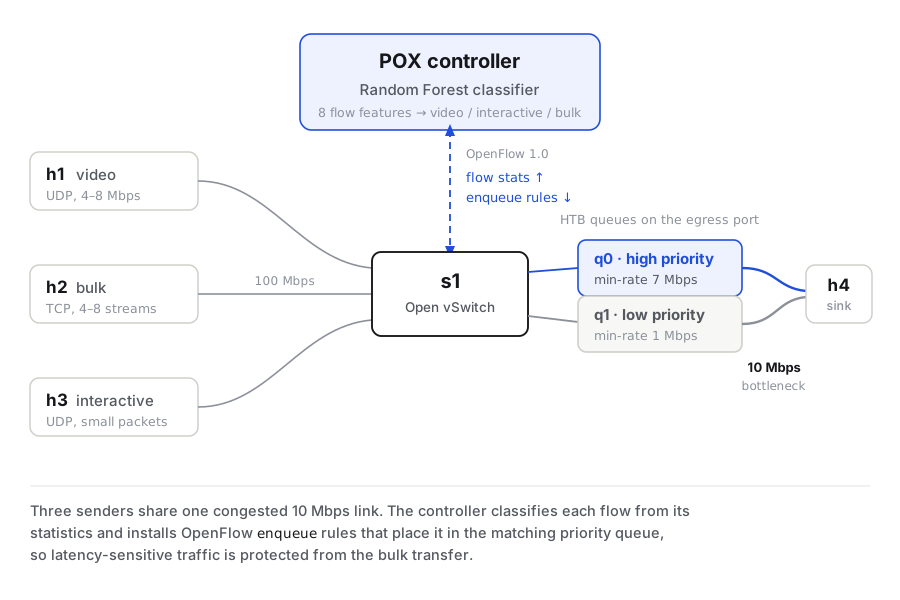
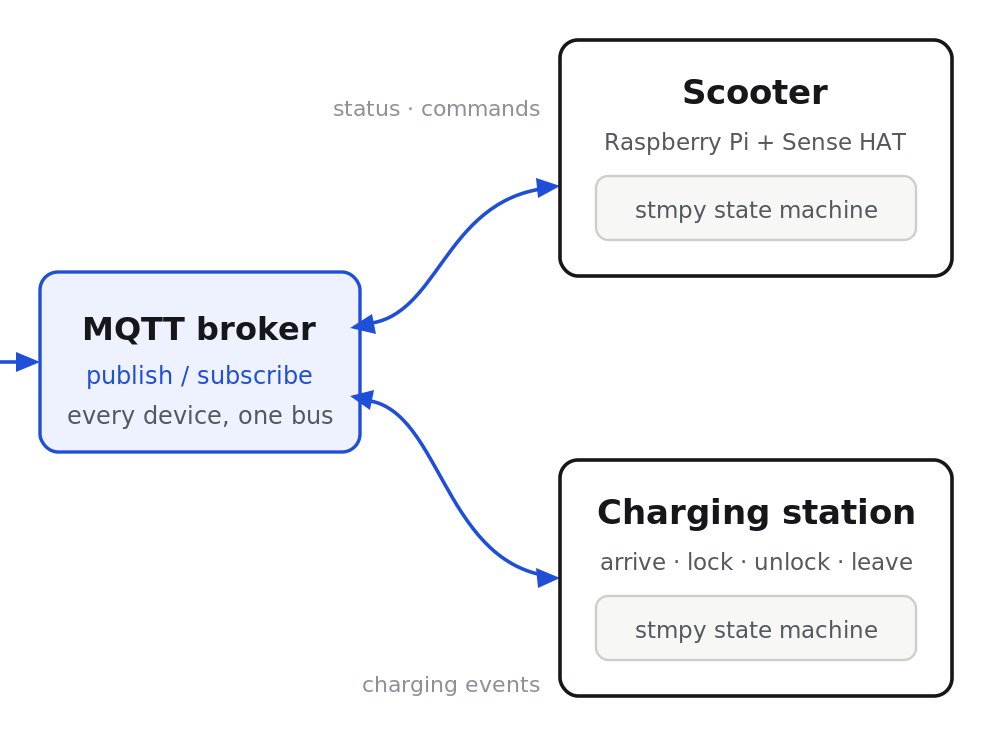
Three hosts share one 10 Mbps bottleneck: a video stream, an interactive stream and a bulk transfer that will happily eat the whole link. The controller reads flow statistics from the switch, a Random Forest labels each flow, and OpenFlow rules drop it into one of two priority queues, all while traffic is flowing.
Results
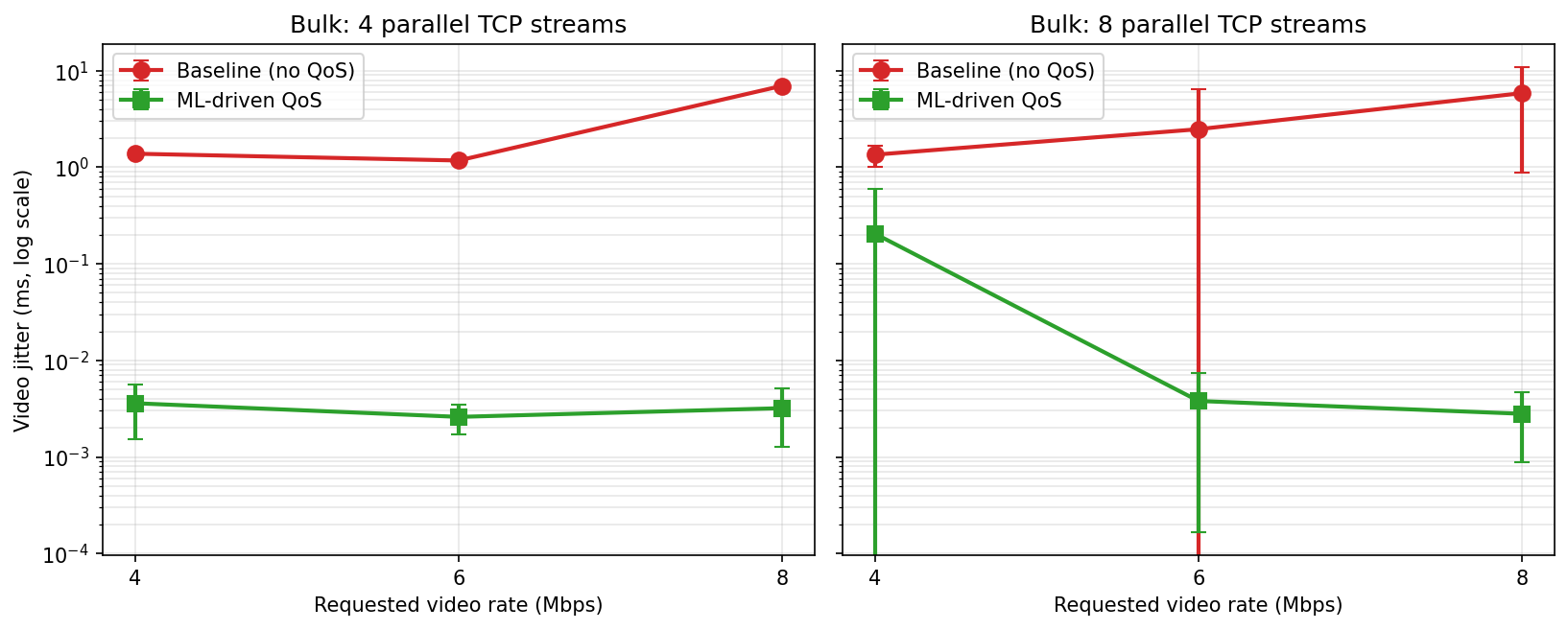
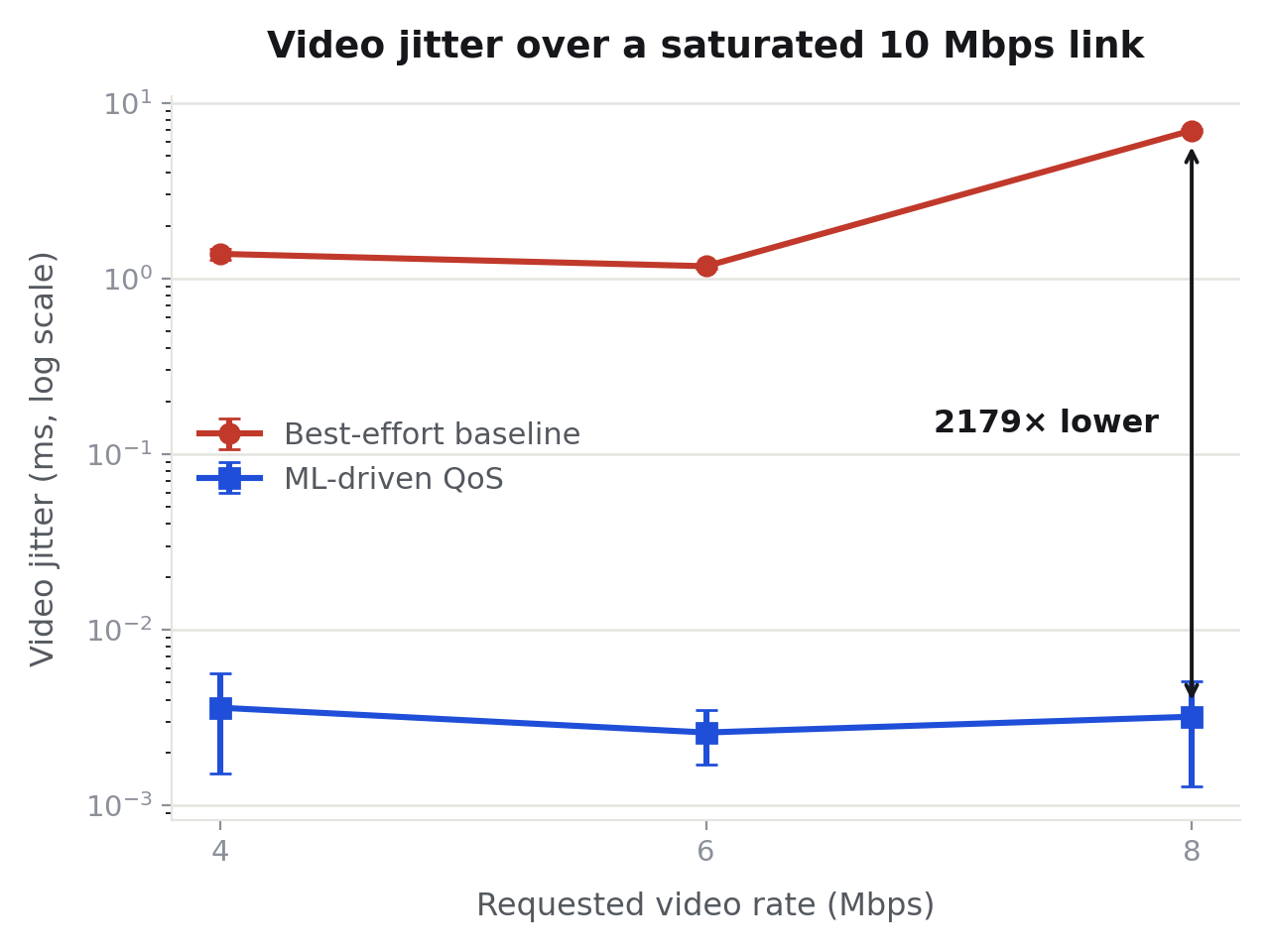
- Video jitter fell from 6.97 ms to 0.003 ms at the worst congestion point, and stayed under 0.004 ms in every scenario
- Video kept its full rate under QoS where the baseline collapsed and fluctuated
- Classification was clean on held-out flows, which is unsurprising for synthetic traffic and something I'd expect to degrade on real captures
Built at the University of Cape Town.